
Tether Moves Closer to Users With New Wallet Launch
Tether is stepping beyond its role as a backend stablecoin issuer with the launch of a self‑custodial crypto wallet, a move that signals a deeper push into consumer‑facing crypto infrastructure.
The new product, called tether.wallet, allows users to directly hold and transfer assets without relying on centralized exchanges, a shift that puts control firmly in the hands of users.
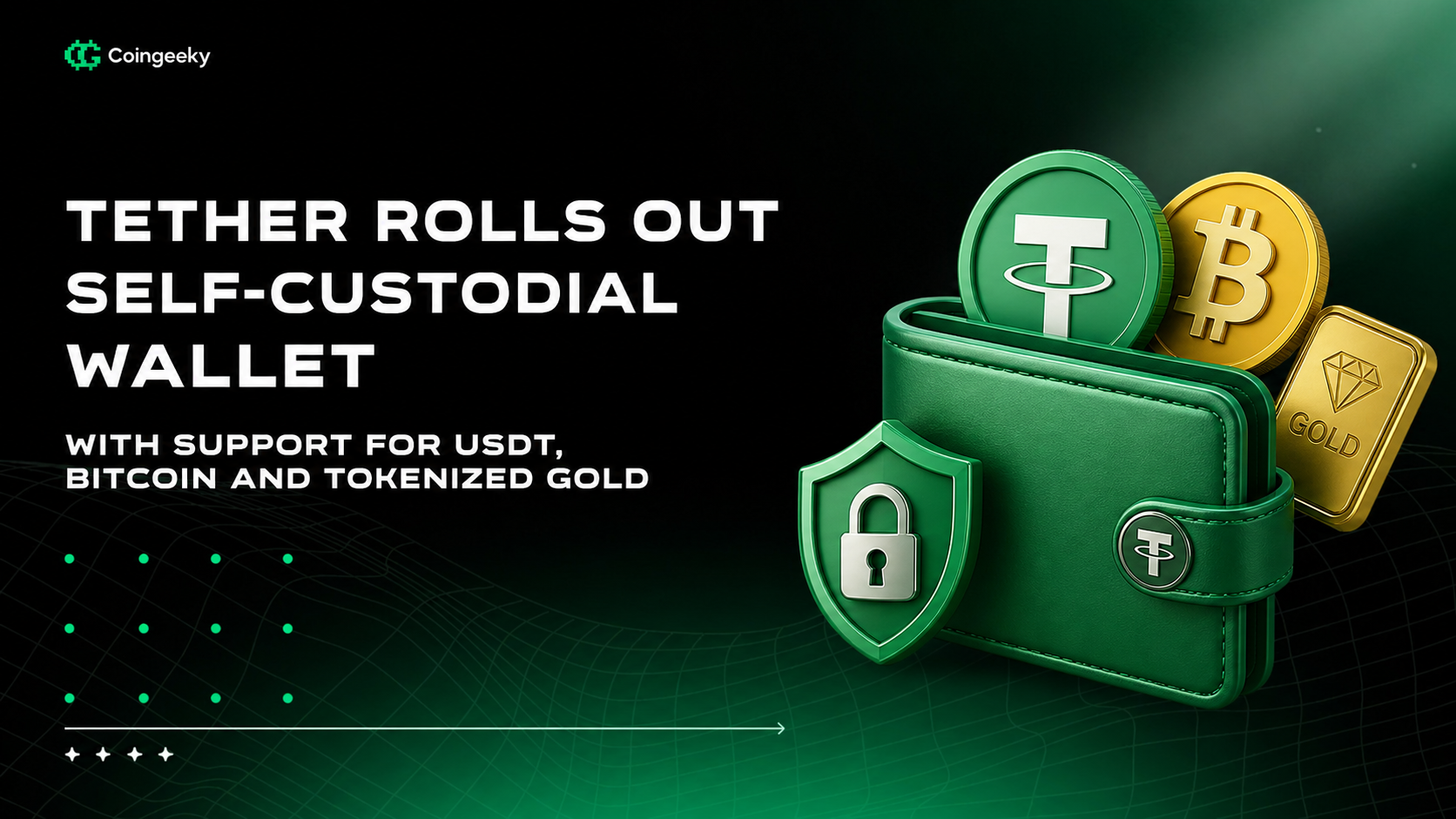
The wallet supports USDT, Bitcoin, and tokenized gold, alongside other Tether‑issued assets, positioning it as a multi‑asset gateway rather than a single‑purpose app.
A Shift From Infrastructure to Consumer Product
For years, Tether has operated quietly in the background, powering liquidity across crypto markets through its dollar‑pegged stablecoin.
This launch changes that narrative.
With tether.wallet, the company is now building a direct relationship with end users, effectively moving from infrastructure provider to full‑stack financial platform.
The wallet connects users directly to Tether’s settlement network, enabling peer‑to‑peer payments and transfers without intermediaries.
What the Wallet Supports
At launch, the wallet includes support for:
- Bitcoin
- Tether (USDT)
- Tether Gold (tokenized gold)
- Additional Tether‑issued stable assets
It also works across multiple blockchain networks, including major ecosystems like Ethereum and Layer 2 solutions, with more integrations expected over time.
A notable feature is that transaction fees can be paid in the same asset being sent, a small but practical design choice aimed at simplifying user experience.
Why Tokenized Gold Matters Here
One of the more interesting aspects of the wallet is support for tokenized gold (XAUT).
Unlike traditional stablecoins, XAUT is backed by physical gold reserves, with each token representing ownership of real‑world bullion.
By including gold alongside Bitcoin and USDT, Tether is effectively offering users a mix of:
- digital dollars (USDT)
- store‑of‑value crypto (Bitcoin)
- commodity‑backed assets (gold)
That combination hints at a broader ambition, building a multi‑asset financial layer inside a single wallet.
A Bet on Self‑Custody
The timing of the launch is also notable.
Self‑custody has become a growing theme in crypto, especially after years of exchange failures and increasing regulatory scrutiny. By giving users control of their private keys, Tether is aligning itself with that trend.
At the same time, it positions the company to compete more directly with existing wallet providers, rather than just exchanges or stablecoin issuers.
The Bigger Strategy Behind the Move
This isn’t just about launching a wallet, it’s about expanding Tether’s role in the crypto ecosystem.
The company already dominates the stablecoin market, with USDT widely used for trading, payments, and liquidity.
Now, it’s building the missing layer: how users actually interact with that liquidity on a daily basis.
In simple terms:
- Before: Tether powered the system
- Now: Tether wants to own the user experience too
What Comes Next
The success of tether.wallet will likely depend on adoption.
Key things to watch:
- Whether users move funds from exchanges into self‑custody
- How competitive the wallet is against established players
- Expansion to more blockchains and payment features
If adoption picks up, this could mark the beginning of Tether evolving into something much larger than a stablecoin issuer, potentially a global crypto payments platform.
Bottom Line
Tether’s new wallet is more than just another app launch. It’s a strategic step toward bringing stablecoins, Bitcoin, and tokenized assets directly into users’ hands.
And in a market increasingly focused on control, security, and real‑world utility, that shift could matter more than it first appears.