
Picking the best crypto exchange for beginners feels harder than it should. You search the term, get fifty "top 10" lists, and half of them are just ranking whoever pays the biggest affiliate commission. I've used a bunch of these platforms over the years, lost a little money learning lessons the hard way, and I want to save you some of that.
So let's skip the hype. There isn't one perfect exchange for everybody. There's a right one for you, based on where you live, how comfortable you are with tech, and what you actually plan to buy. Some folks need hand‑holding. Some want raw power. Both are fine. Let me walk you through what to weigh, then I'll give you my honest read on the three names you'll see everywhere, and where each one actually fits.
What actually matters when picking your first crypto exchange
Before you get dazzled by a slick app or a sign‑up bonus, here's what I'd check, roughly in this order.
Is it even available where you live? This sounds obvious. It isn't. Plenty of beginners sign up somewhere, fund the account, then discover they can't withdraw to their local bank or that the platform isn't licensed in their country. Check that the exchange is registered or regulated with your local authorities. A regulated platform isn't bulletproof, but it gives you actual recourse if something goes sideways.
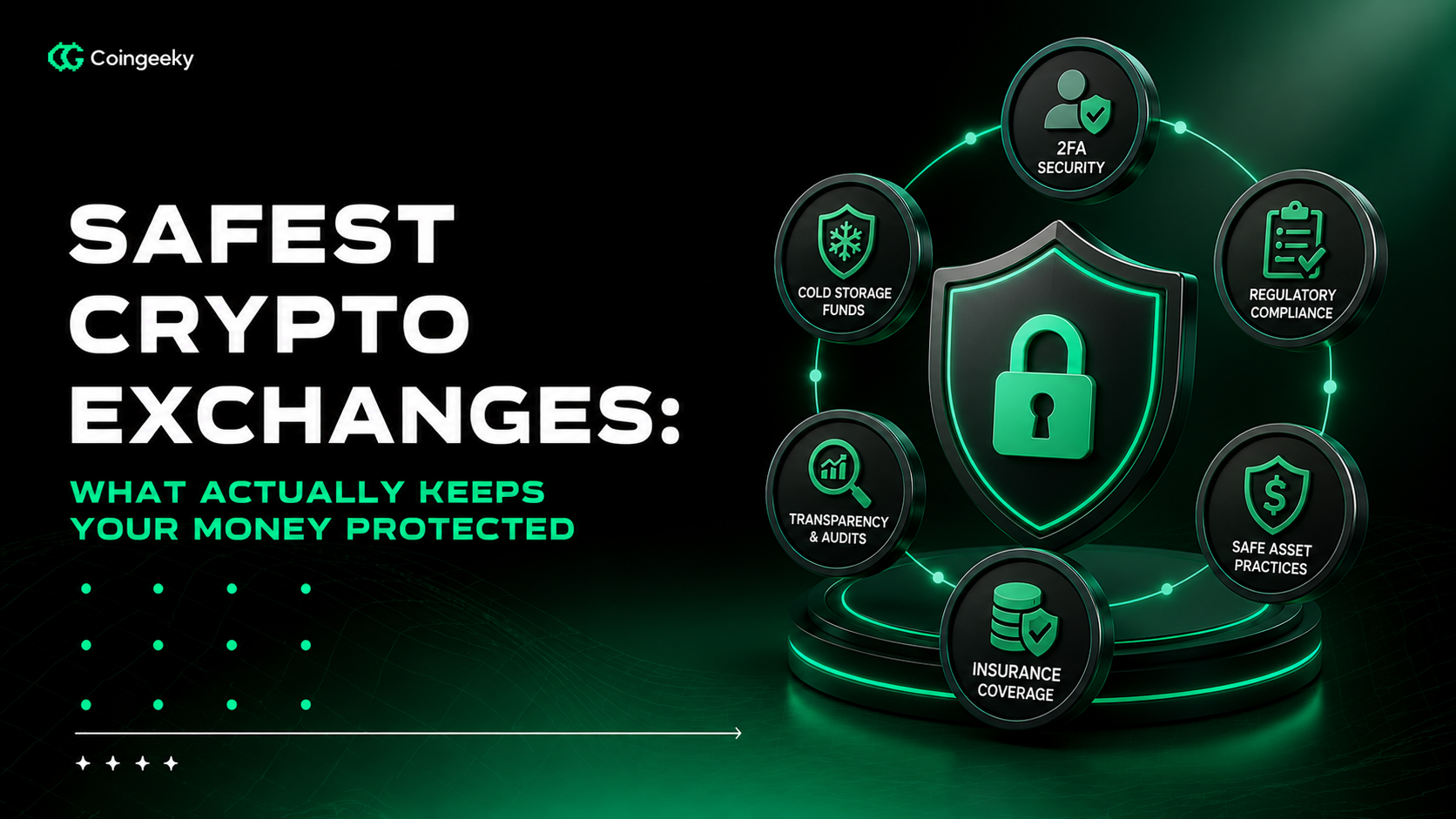
Security and track record. Has the exchange been hacked? If so, how did they handle it? Did users get made whole? Look at how long they've operated and whether they store most customer funds in cold storage, which means offline and far harder to steal. An exchange that's run cleanly for a decade tells you more than any marketing page.
How easy is it to actually use? You're a beginner. If the interface looks like a stock trading terminal from 2009, you'll make mistakes. Mistakes with money. A clean, simple buy‑and‑sell flow matters more than having two hundred advanced order types you'll never touch.
Fees, in general terms. I'm not going to quote you exact percentages, because they change constantly and depend on how you pay and how much you trade. What you should know: card purchases usually cost more than bank transfers, "instant buy" buttons tend to carry a premium over the regular trading screen, and the friendliest, simplest platforms often charge the most for that convenience. Read the fee page before you commit. It's boring. Do it anyway.
Which coins it supports. If you only want Bitcoin and Ethereum, almost any major exchange covers you. If you're eyeing smaller tokens, check the listing first. No point joining a platform that doesn't carry what you came for.
Customer support. You will, at some point, need help. Maybe a deposit didn't show up. Maybe you got locked out. See if the exchange has real support channels and whether people online say they actually respond. "Email us and wait two weeks" is not support.
Coinbase: the easiest place to start
If a friend with zero crypto experience asked me where to begin, I'd probably say Coinbase. The app is genuinely beginner‑friendly. Buying your first bit of Bitcoin takes a few taps, the design doesn't intimidate, and the company has a strong reputation in a space full of shady operators. It's publicly traded in the US, which brings a level of scrutiny that, honestly, I find reassuring.
The downside? You pay for the simplicity. Coinbase fees sit on the higher side, especially if you use the basic buy screen instead of the more advanced trading view. Some beginners never realize the advanced view exists and quietly overpay for months. So enjoy the easy onboarding, but graduate to the pro‑style interface once you're comfortable. Your wallet will thank you.
Kraken: solid, trusted, a touch more featured
Kraken is the one I quietly respect. It's been around a long time, it's never suffered a major catastrophic hack of customer funds, and it takes security seriously in a way that shows. The reputation is well earned.
It's a little more featured than Coinbase, which cuts both ways. You get more tools and often better fees, but the interface asks slightly more of you. For a beginner who's willing to spend an hour learning, that's a fair trade. I'd point a curious, patient newcomer here without hesitation. The verification process can be a bit slow, so be patient when you sign up.
Binance: huge selection, low fees, more to learn
Binance is the giant. It lists an enormous number of coins, its fees are generally among the lowest, and the trading volume is massive, which usually means you can buy and sell without much slippage. On paper, great.
In practice, it's a lot for a first‑timer. The interface is dense, packed with features most beginners don't need yet, and it's easy to wander into something you don't understand. There's also the regulatory question. Binance has clashed with regulators in several countries, so what you can access depends heavily on your region, and in some places you can't use it at all. Confirm availability and legality where you live before you bother signing up. If you're the type who likes options and doesn't mind a learning curve, it's powerful. If you want simple, start elsewhere and come back later.
The golden rule nobody tells beginners
Here's the thing every guide should lead with and most bury. An exchange is for buying. It's a starting point, not a home for your money.
When your crypto sits on an exchange, the exchange holds the keys, not you. If they get hacked, freeze accounts, or collapse, your coins can vanish with them. We've watched it happen. Repeatedly. The phrase you'll hear forever is not your keys, not your coins, and it's true.
So for small amounts you're learning with, leaving funds on a reputable exchange is fine. Practical, even. But once you're holding a meaningful chunk, move it to a wallet you control, ideally a hardware wallet for the serious stuff. Yes, it's an extra step. Yes, you become responsible for your own keys. That responsibility is the whole point.
Red flags that should make you run
A few warning signs I want burned into your brain before you fund anything:
- Guaranteed high yields. No legit platform can promise you fixed, fat returns. That's how scams open the conversation.
- Withdrawal problems. If users online complain they can't get their money out, take it dead seriously. Stuck withdrawals are often the first crack before a collapse.
- No regulation, no clear team, no track record. A brand‑new platform with anonymous founders and slick ads deserves your suspicion, not your savings.
- Pressure to deposit fast. Urgency is a manipulation tactic. Real exchanges don't need to rush you.
I've been pitched all of these. More than once. The ones promising the moon were always the ones that disappeared a few months later, taking deposits with them. The boring, regulated, slightly‑annoying‑to‑verify platforms are still standing. There's a lesson in that.
So which should you pick?
If you want the gentlest possible start and don't mind paying a bit more, go Coinbase. If you want a trusted, security‑first platform and you're willing to learn a little, Kraken is my pick. If you want the widest selection and lowest fees and you're comfortable with complexity, Binance, assuming it's properly available where you are.
Whatever you choose, start small. Buy a tiny amount first. Practice withdrawing it to a wallet so you understand how that works before real money is on the line. Treat your first month as tuition, not investment. That mindset alone will protect you better than any exchange ranking ever could.