
Somebody asked me last week which crypto wallet they should buy, and I gave the most annoying answer possible. It depends. Not because I'm dodging, but because the question is shaped wrong. There's no single best crypto wallet 2026 winner sitting at the top of a leaderboard. There's a wallet that fits how you move your coins, and a bunch that don't.
So I'm not going to rank ten apps one through ten and slap medals on them. That's lazy and it's how people end up with the wrong tool. Instead I'll sort the wallets I actually trust by what you're trying to do, then tell you the one rule that matters more than every spec sheet combined.
First, what self‑custody actually means
Here's the split that decides everything else. A self‑custody wallet means you hold the private keys. A custodial setup, basically leaving coins on an exchange, means somebody else holds them for you.
People wave this off until it bites them. When you hold the keys, nobody can freeze your account, nobody can lose your funds in a bankruptcy, and nobody can lock you out. The flip side? If you mess up, there's no reset password button. That tradeoff is the entire game.
I lean self‑custody for anything I'm not actively trading. Exchanges are fine as a doorway. They're a bad vault.
What actually matters when you pick one
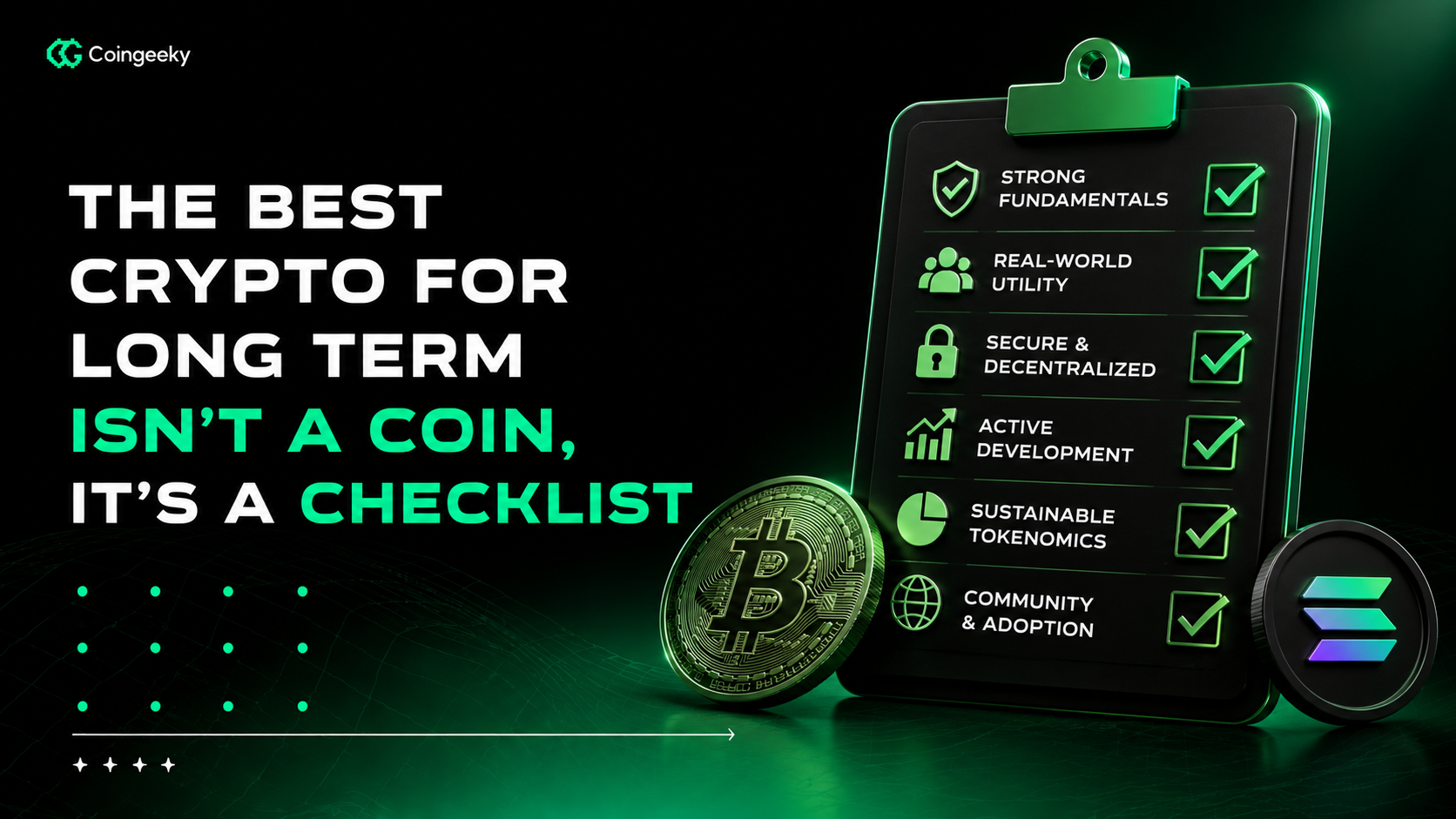
Strip away the marketing and only a few things count. Does it support the chains you actually use? Is it self‑custody or custodial? What's its security track record, has it been hacked, how did the team respond? Is the code open‑source so people can audit it? And honestly, is it easy enough that you'll use it correctly instead of fumbling and sending funds to the void?
Open‑source matters more than folks think. When the code is public, smart strangers poke at it for free. Closed wallets ask you to just trust them. Some earn it. Plenty don't.
Best for long‑term holders: cold storage
If you've got a bag you plan to hold for years, get it off the internet. A hardware wallet keeps your keys on a physical device that signs transactions offline, so even a fully infected laptop can't drain it without you physically approving.
The two names I'd point anyone toward are Ledger and Trezor. Both have been around long enough to build real reputations.
Ledger is polished, supports a huge range of coins, and the app experience is clean. It took some heat a while back over a key‑recovery feature that spooked the self‑custody crowd, and that criticism was fair. But the core device still does its job, keys stay on the chip.
Trezor leans harder into the open‑source ethos, which some people, me included, really like. The firmware is auditable. It's a touch more no‑frills, but if transparency is your priority, it's a strong pick.
Either way, the device is only as safe as your backup. We'll get there.
Best for DeFi users: MetaMask
If you're swapping tokens, aping into pools, minting NFTs, anything on Ethereum or the EVM chains, MetaMask is still the default and it's the default for a reason. It connects to basically every dapp out there. Almost every protocol assumes you've got it installed.
It's a hot wallet, meaning it lives in your browser or phone and stays connected to the internet. That's convenient and a little riskier. So here's the move smart DeFi people make: pair MetaMask with a hardware wallet. You sign through MetaMask's familiar interface, but the keys actually sit on your Ledger or Trezor. Best of both, daily usability with cold‑storage security.
Use MetaMask for the chains it covers, and please slow down before approving token permissions. Most DeFi losses aren't hacks. They're people clicking approve on a malicious contract.
Best for Solana: Phantom
MetaMask doesn't really do Solana, and Solana has its own busy ecosystem. If that's where you spend your time, Phantom is the wallet built for it. The interface is genuinely nice, swaps are quick, and it handles Solana NFTs and tokens without you fighting the thing. It's the same kind of hot wallet as MetaMask, just pointed at a different chain, and the same rules apply.
Phantom has expanded to cover Ethereum and a few other chains too, so it's grown into more of a multi‑chain option than it started as. But its heart is Solana, and if that's where you live, it's the obvious call. Same caveat as any hot wallet though, it's online and connected, so don't park your life savings in it and walk away. Use it for the active stuff, and push the long‑term holdings somewhere colder.
Best for mobile multi‑chain: Trust Wallet
Some people don't want to think about which wallet per chain. They just want one app on their phone that holds a bit of everything. Trust Wallet is built for exactly that. It supports a massive list of blockchains, has a built‑in dapp browser, and works fine for someone who's spread across a handful of networks and doesn't want five apps.
It's mobile‑first and easy, which is its strength and its limit. Easy and online means convenient and exposed. Great for walking‑around money and exploring. Not where I'd stash the bulk of a serious portfolio.
The convenient option nobody wants to admit they use
Exchange custody. Leaving coins on Coinbase, Binance, Kraken, wherever you bought them. It's the easiest thing in the world and millions of people do it.
I'm not going to pretend it's the worst sin. If you're actively trading, your funds kind of need to be there. But understand what you're holding, which is an IOU. The exchange has the keys. You have a balance on their screen. We've watched enough platforms blow up that I won't insult you by listing them. Not your keys, not your coins isn't a slogan, it's just what happened to a lot of people.
The one rule that beats every wallet choice
Your seed phrase. The string of 12 or 24 words you got when you set up the wallet. That phrase is your money. Whoever has it controls the funds, full stop, no matter which brand sits on the box.
So treat it like the crown jewels:
- Write it on paper or stamp it into metal. Never store it as a screenshot, a note app, or anything that touches the cloud.
- Keep more than one copy in separate physical places, so a fire or a flood doesn't wipe you out.
- Never, ever type it into a website. No legit wallet or support agent will ever ask for it. If someone does, it's a scam, every single time.
I know people who bought a pristine Ledger, set it up, then took a photo of the recovery sheet for convenience. That photo synced to the cloud. They might as well have mailed their coins away. The hardware did everything right. The human didn't.
Quick gut‑check version. Total beginner? Start with Trust Wallet or Coinbase Wallet, keep amounts small, and drill the seed‑phrase habit before you scale up. DeFi user? MetaMask, ideally wired through a hardware wallet once your balance gets real.
Big‑bag long‑term holder? Ledger or Trezor, no debate, get it offline. Multi‑chain juggler bouncing between Solana, EVM, and the rest? Phantom plus MetaMask, or Trust if you'd rather keep it in one app.
Most people honestly land on a combo. A hot wallet for the stuff you touch weekly and a cold wallet for the stack you're not selling till 2030. That's not indecision. That's just using the right tool for each job, which is the whole point of asking the question right.