As businesses continue to digitize their operations, efficiency, transparency, and automation have become top priorities. In this shift, smart contracts have emerged as one of the most impactful innovations powered by blockchain technology. In 2026, they are no longer just a concept—they are actively transforming how businesses execute agreements, manage transactions, and reduce operational friction.
At a basic level, smart contracts are self‑executing agreements where the terms and conditions are written directly into code. Once predefined conditions are met, the contract automatically executes without the need for intermediaries. This simple idea is reshaping traditional business processes across industries.
What Are Smart Contracts?
Smart contracts are digital agreements stored on a blockchain that automatically execute when certain conditions are fulfilled. Unlike traditional contracts, which require manual enforcement and third‑party involvement, smart contracts operate independently.
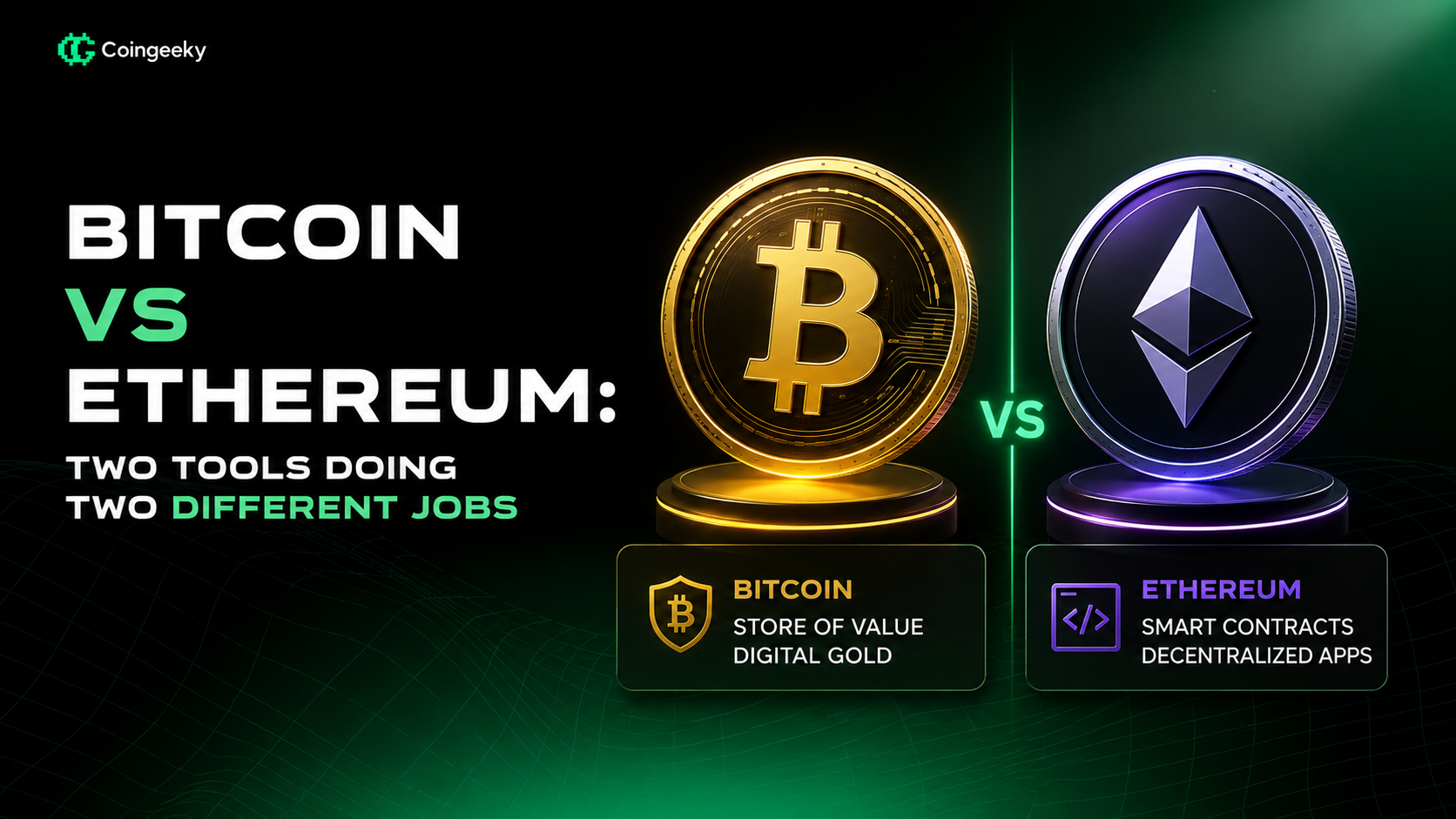
Platforms like Ethereum have popularized the use of smart contracts, enabling developers and businesses to build decentralized applications that run without centralized control. Once deployed, these contracts cannot be easily altered, ensuring reliability and trust.
Eliminating Intermediaries and Reducing Costs
One of the biggest ways smart contracts are transforming business operations is by removing intermediaries. Traditional processes often involve multiple parties—lawyers, brokers, banks, or verification agencies—to ensure that agreements are honored.
Smart contracts eliminate the need for many of these intermediaries. Since the contract executes automatically based on code, there is no need for manual oversight in many cases. This reduces operational costs, speeds up processes, and minimizes the chances of disputes.
For businesses, this means faster transactions, lower fees, and more streamlined workflows.
Improving Efficiency and Speed
In traditional systems, executing a contract can take days or even weeks. Documents need to be reviewed, approvals must be obtained, and payments often go through multiple layers of processing.
Smart contracts significantly reduce this time. Once the conditions are met, execution is immediate. Payments can be triggered automatically, ownership can be transferred instantly, and records are updated in real time.
This level of efficiency is particularly valuable in industries where time‑sensitive transactions are common. By automating repetitive processes, businesses can focus more on strategy and growth rather than administrative tasks.
Enhancing Transparency and Trust
Trust has always been a key factor in business relationships. However, traditional contracts often rely on third parties to enforce trust, which can lead to delays and disputes.
Smart contracts change this dynamic by providing transparency. Since they are stored on a blockchain, all parties involved can verify the terms and execution of the contract. Once deployed, the contract cannot be altered without consensus, ensuring fairness.
This transparency reduces the chances of fraud and builds confidence among stakeholders. Businesses can operate with greater certainty, knowing that agreements will be executed exactly as programmed.
Real‑World Applications Across Industries
Smart contracts are being adopted across a wide range of industries, each benefiting from their ability to automate and secure transactions.
In real estate, smart contracts are simplifying property transactions. Once payment conditions are met, ownership can be transferred automatically, reducing paperwork and delays. This makes the entire process faster and more efficient.
In supply chain management, smart contracts help automate payments and track shipments. For example, a payment can be triggered automatically when goods are delivered and verified, ensuring accountability at every stage.
The insurance industry is also leveraging smart contracts to streamline claims processing. Instead of manual verification, claims can be automatically approved and paid out based on predefined conditions, reducing processing time and improving customer experience.
In finance, smart contracts are a key component of decentralized finance (DeFi), enabling lending, borrowing, and trading without traditional intermediaries.
Reducing Errors and Improving Accuracy
Manual processes are prone to errors, whether due to human oversight or miscommunication. In business operations, even small mistakes can lead to significant financial and operational consequences.
Smart contracts reduce this risk by automating execution based on predefined logic. Since the process is coded and standardized, there is less room for error. Once the contract is set up correctly, it executes consistently every time.
This level of accuracy is particularly valuable in industries that rely on precise data and compliance.
Challenges and Considerations
Despite their advantages, smart contracts are not without challenges. One of the main concerns is the accuracy of the code itself. Since the contract executes exactly as programmed, any errors in the code can lead to unintended outcomes.
There is also the issue of regulatory uncertainty. As smart contracts become more widely used, legal frameworks are still evolving to address their implications.
Additionally, integrating smart contracts into existing systems can require significant technical expertise and infrastructure changes.
Businesses need to approach adoption carefully, ensuring proper testing, security measures, and compliance with regulations.
The Future of Smart Contracts in Business
Looking ahead, smart contracts are expected to become an integral part of business operations. As technology matures and adoption increases, they will likely be integrated with other systems such as artificial intelligence and IoT.
This combination can enable fully automated workflows where data triggers actions in real time. For example, IoT devices could feed data into smart contracts, which then execute actions without human intervention.
As businesses continue to seek efficiency and transparency, the role of smart contracts will only grow stronger.
Final Thoughts
Smart contracts are fundamentally changing how businesses operate by introducing automation, transparency, and efficiency into traditional processes. By eliminating intermediaries, reducing costs, and improving accuracy, they offer a powerful alternative to conventional systems.
In 2026, businesses that adopt smart contracts are not just improving operations—they are redefining them. While challenges remain, the potential benefits far outweigh the limitations.
As blockchain technology continues to evolve, smart contracts will play a central role in shaping the future of business, making processes faster, smarter, and more reliable.