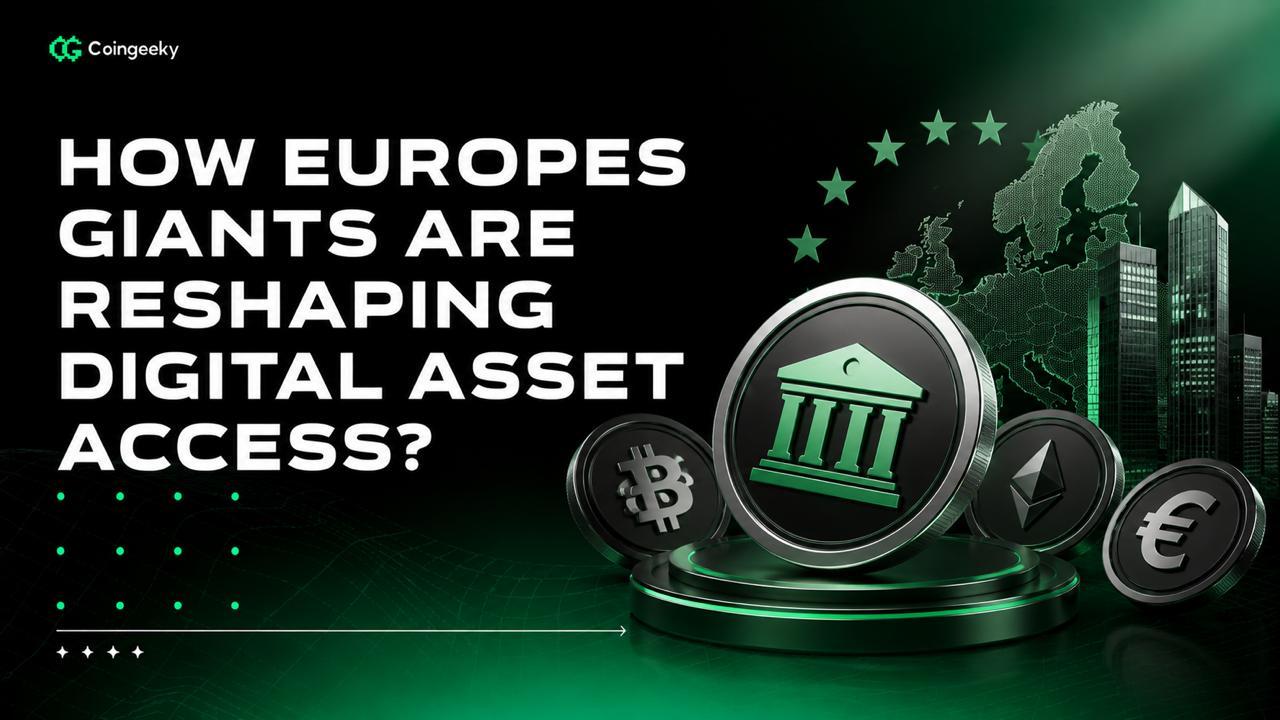

The traditional banking sector in Europe is going through a quiet but important change. Once wary of digital assets, some of Europe's biggest banks are now racing to make cryptocurrency trading a normal part of their customers' everyday banking. Germany is quickly becoming a key battleground in this race.
Santander Openbank Takes the Plunge in Germany
Santander's fully digital subsidiary, Openbank, recently rolled out crypto trading services to its German customer base. Users can buy, sell, and hold major digital currencies like Bitcoin, Ethereum, Litecoin, and Polygon's own token all within the bank's own platform, without having to use a third‑party exchange. Coty de Monteverde, Head of Crypto at Santander, said that the launch was a direct response to customers' growing desire to access digital assets through trusted, well‑known banking channels.
Regulation Is the Real Enabler
The regulatory backbone of this rollout is what makes it different from other crypto platforms. The service is based on the Markets in Crypto‑Assets (MiCA) framework of the European Union. This gives customers extra legal protection that most crypto exchanges don't offer. MiCA changed everything for traditional banks in the EU. By setting a clear, unified compliance standard, it got rid of a lot of the legal uncertainty that kept banks from investing for years. Now that there is clear regulation, banks can offer crypto services, and customers can use digital assets while following well‑known rules for protecting consumers.
Germany Is Becoming a Crypto Banking Hub
Santander isn't moving alone. Existing players in Germany's financial sector are starting to use crypto more and more. DZ Bank has tested digital asset services with hundreds of cooperative banks. Deutsche Bank is planning to offer digital asset custody in 2026. And Sparkassen‑Finanzgruppe says it will let almost 50 million customers trade crypto for real money through its Sparkasse app by the middle of 2026. This is a big change in strategy and attitude for a country that has always been wary of speculative assets.
What Comes Next for Openbank
Openbank is ready to grow quickly because it already has more than two million customers in Europe and other places. The next customers will be in Spain, and then the business will grow across all of Europe. Plans for the future also include offering more tokens and being able to convert between different digital assets. Santander has a history with blockchain, from its Ripple‑powered payments app to its ongoing research into stablecoins. This launch is not so much a leap of faith as it is the next logical step in a long‑term digital strategy.
The Bigger Picture
More and more banks in Europe are sending the message that crypto is no longer just for tech‑savvy early adopters. It's becoming an important tool for most people who deal with money. The race to own the digital asset customer relationship has officially begun, and traditional banks are determined not to be left behind. This is because MiCA is still giving institutions the regulatory clarity they need.