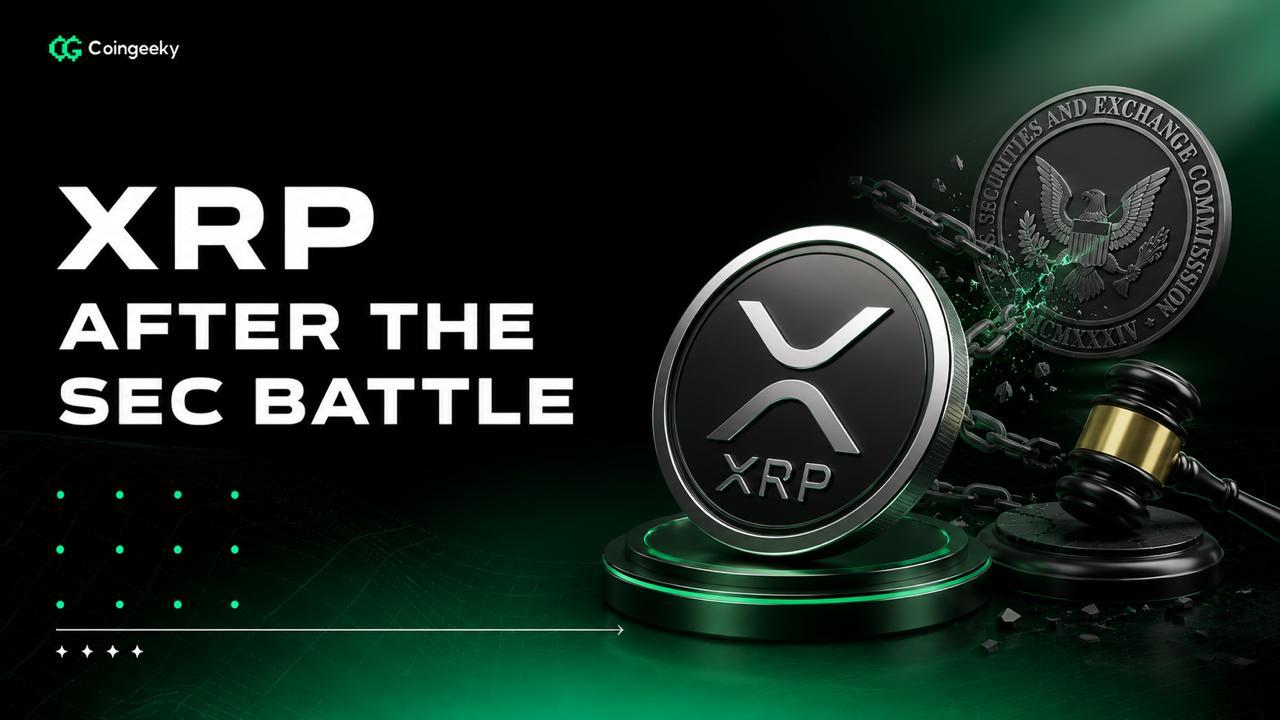

A single lawsuit cast a shadow over one of the most well‑known crypto tokens for almost five years. Investors are asking a direct question: what's next for XRP, and how far can it really go now that the legal fog has lifted?
The Lawsuit That Changed Everything
While Ripple Labs was being sued in December 2020, the SEC said that XRP was not a registered security. The case shocked the market and led to companies being taken off of major exchanges. This caused years of regulatory uncertainty. When a federal judge said in July 2023 that XRP sold on public exchanges was not a security, but some institutional sales were, it was a big turning point. Even though both sides made appeals, the dispute was over by August 2025. Ripple agreed to pay $50 million, which was much less than the SEC's original demand of $125 million. The legal cloud that had been over XRP for five years finally lifted.
What the Experts Are Predicting
Now that regulations are clear, price predictions have begun to come in, and they cover a wide range. Geoffrey Kendrick of Standard Chartered thinks that XRP will reach $8 by 2026. A group of experts from Finder thought it would reach around $5.25 by 2030. Some more optimistic analysts have set goals as high as $35–$40 by 2035. Most mainstream forecasters, on the other hand, say that the price will be between $3 and $8 in the next one to two years, assuming that people continue to buy it and the market stays stable.
The Bull Case: Real‑World Utility at Scale
The case for XRP is based on real infrastructure. Ripple's payment network links more than 300 financial institutions around the world, and XRP is used as a bridge currency for sending money across borders. It is quick, cheap, and becoming more popular in a market that moves about $685 billion a year at fees of about 6%. The CEO of Ripple has said that XRP could take a big chunk of SWIFT's payment volume in five years. In the past, a possible spot ETF approval sent Bitcoin prices up 90% after it was given the go‑ahead. This makes the case for institutional interest more convincing.
The Bear Case: Real Risks Remain
Some things can be said against the bullish story. For institutional payment flows, stablecoins like Ripple's own RLUSD token, which has a market cap of over $1 billion, may work better than volatile assets like XRP. Central bank digital currencies are also emerging as government‑backed alternatives. XRP fell 44% from its July 2025 high point of $3.66, showing that regulatory wins don't protect a token from the volatility of the crypto market as a whole.
Keeping Expectations Grounded
Some online predictions, like a price target of $1,000 by 2030, would need a market cap of more than $57 trillion, which is more than half of the value of the whole global stock market. To get to $100 per token, a level of adoption that has never been seen before would be needed. The more realistic view is that the lawsuit's end is good for XRP's future, but the way forward will depend on real adoption rates, how competitors act, and market cycles, not on courtroom drama.